
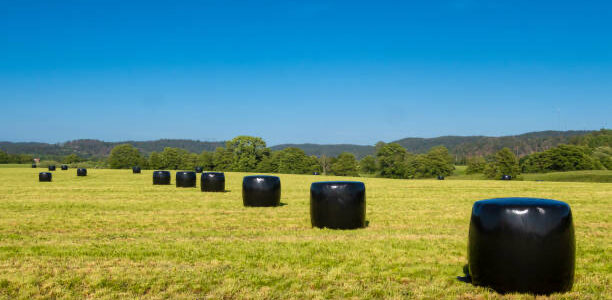
In Australian agriculture, silage plastic plays a crucial role in preserving high-quality feed, ensuring optimal nutrition for livestock throughout the year. Proper application of silage plastic is essential to protect silage from oxygen ingress, moisture, and contamination, all of which can degrade feed quality. This article outlines the best practices for applying silage plastic specifically tailored for Australian farmers, combining scientific insights with practical experience to help maximise the value of your silage investment.
Understanding the Importance of Silage Plastic in Australia’s Farming Environment
Australia’s varied climate—from humid subtropical in the east to Mediterranean in the south-west—poses unique challenges for silage preservation. Silage plastic is the frontline defence against these challenges. It creates an airtight barrier that facilitates anaerobic fermentation, critical for maintaining feed quality by minimising spoilage. Without correct application, even the best forage can lose nutritional value, resulting in poor livestock performance.
Choosing the right silage plastic is the first step, but its correct application is equally vital. Using high-quality plastic combined with meticulous techniques ensures that silage remains fresh, palatable, and nutrient-rich.
Preparation: The Foundation of Effective Silage Plastic Application
Before applying silage plastic, preparation must be meticulous. The surface where the silage will be stored should be:
- Clean and Smooth: Remove any sharp stones, sticks, or debris that can puncture the plastic. In Australia, many farmers use compacted soil or concrete pads specifically designed for silage storage.
- Well-Drained: Proper drainage prevents water pooling, which can weaken the plastic and lead to spoilage.
- Adequate Slope: A slight slope helps runoff water, reducing pressure on the plastic during heavy rains.
In Australian farms, where unexpected weather shifts are common, this preparation prevents early damage to the silage cover and prolongs the plastic’s protective function.
Applying Silage Plastic: Step-by-Step Best Practices
- Use Multiple Layers for Enhanced Protection: Australian farmers often employ a multilayer silage plastic system, which typically involves a base layer of a high-oxygen barrier film followed by a thicker top layer. This combination enhances airtightness and durability. The base layer inhibits oxygen penetration, critical during the early fermentation phase, while the thicker top layer protects against physical damage from weather, wildlife, and farm equipment.
- Ensure Tight Sealing at Edges: Edges and seams are the most vulnerable points for air ingress. Use weighted tires, sandbags, or purpose-built silage clamps to tightly secure the edges. In some regions, farmers also cover the edges with soil or gravel for added stability. Australian farms benefit from this, as strong winds, particularly in open paddocks, can easily lift loose edges if not properly secured.
- Minimise Wrinkles and Air Pockets: Wrinkles and trapped air pockets between layers allow oxygen pockets to form, causing localised spoilage. When laying down the silage plastic, work carefully to smooth out wrinkles and press out air. Employing mechanised spreaders or rollers designed for silage plastic application can improve efficiency and reduce human error.
- Overlap Seams Appropriately: Overlapping seams by at least 200 mm (8 inches) and sealing with silage tape or adhesives enhances the airtight seal. This practice is especially important in Australian farms exposed to harsh sunlight, which can degrade plastics over time. Proper overlap prevents the development of entry points for oxygen and moisture.
Post-Application Maintenance and Monitoring
Applying silage plastic is not a one-time task; ongoing maintenance is essential to maximise feed quality.
- Regular Inspections: Check the silage plastic weekly, especially after storms or heavy winds, for punctures or tears.
- Immediate Repairs: Patch holes or tears immediately using compatible repair tapes or films to prevent air ingress.
- Weight Management: Ensure that weights securing the edges remain in place and are sufficient to withstand changing weather conditions.
Australian farmers who adopt a disciplined approach to maintenance see significantly less feed spoilage and better feed conversion ratios in their livestock.
Technological Innovations Improving Silage Plastic Use in Australia
Recent advances in silage plastic technology have made it easier for Australian farmers to optimise feed quality. For instance:
- UV-Resistant Films: Protect plastic from degradation under Australia’s intense sun exposure.
- Biodegradable Options: Offering environmental benefits without compromising performance.
- Multilayer Barrier Films: Specifically engineered to reduce oxygen transmission rates drastically.
Adopting these new technologies can further extend the lifespan and effectiveness of silage plastic, aligning with sustainability goals increasingly prioritised in Australian agriculture.
Conclusion: Maximising Feed Quality with Silage Plastic on Australian Farms
In summary, maximising feed quality through the correct use of silage plastic requires attention to detail at every stage—from surface preparation to final sealing and ongoing maintenance. Australian farmers face diverse climatic conditions that demand best practices tailored to local environments. By selecting the appropriate silage plastic, applying it carefully, and performing regular inspections, farmers can safeguard their silage investment, reduce feed losses, and ultimately enhance livestock productivity.
Silage plastic is more than just a cover—it is a vital component in the Australian agricultural toolkit, ensuring that feed remains nutritious and palatable year-round. Implement these best practices confidently to secure the highest quality silage and support sustainable, profitable farming operations.
If you’d like, I can also provide guidance on sourcing the best silage plastic suppliers in Australia or recommended application equipment tailored to your farm size and region!