
Security Screen Doors Adelaide: Benefits, Styles, and Installation Tips

When it comes to protecting your home, security screen doors in Adelaide, SA offer one of the most effective and stylish solutions. As crime prevention and home security become top priorities for homeowners, investing in high-quality security screen doors is both a practical and aesthetically pleasing choice. These doors are more than just physical barriers—they’re a wise, long-term investment in the safety, comfort, and value of your property.

Why Security Screen Doors Are a Must-Have in Adelaide
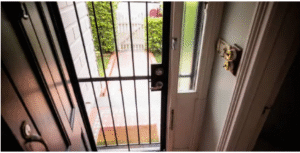
security screen doorsSecurity screen doors in Adelaide are becoming increasingly popular, and for good reason. Adelaide, while generally considered a safe city, is not immune to opportunistic crimes like break-ins and property theft. Security doors act as a strong first line of defence, offering peace of mind and enhanced protection.

Beyond deterring criminals, these doors provide a range of additional benefits:

  • Ventilation without compromise: You can keep your main doors open for fresh air while maintaining a secure barrier.
  • Insect protection: Many screen doors come with mesh that keeps out mosquitoes and flies—essential for Adelaide’s warmer months.
  • Privacy: Some security mesh designs offer one-way visibility, allowing you to see outside without others peeking in.
  • Energy efficiency: Quality security doors help regulate internal temperatures, reducing energy costs over time.

Key Features to Look For in Security Screen Doors

Not all security screen doors are created equal. To ensure your investment truly enhances home safety, keep an eye out for the following features:

  • Australian Standards Compliance (AS5039 and AS5040): Choose doors that meet the national standards for security doors to guarantee durability and reliability.
  • Material Strength: Look for stainless steel mesh or marine-grade aluminium, both of which resist corrosion and forced entry.
  • Multi-point Locking Systems: A good security screen door should come with at least a triple-lock mechanism for added resistance.
  • Hinged or Sliding Options: Depending on your entryways, select a door that complements your existing layout.
  • Tamper-resistant Hinges: Concealed or tamper-proof hinges are a must to deter forced removals.

Many Adelaide homeowners partner with local specialists who can recommend the best security screen doors based on regional conditions, architectural style, and budget.

Popular Styles of Security Screen Doors in Adelaide

Security screen doors no longer have to look utilitarian or unattractive. With modern design innovations, you can now choose from a wide variety of styles that complement your home’s exterior while maintaining top-tier protection.

Classic Grille Designs

Often featuring steel bars or aluminium grilles in decorative patterns, these doors provide both style and strength. They suit traditional homes and heritage properties in Adelaide’s inner suburbs.

Stainless Steel Mesh Screens

These minimalist yet tough options provide a sleek, modern look. The mesh allows for unobstructed views and airflow while maintaining a high level of security.

Laser Cut Decorative Panels

For homeowners looking to make a visual statement, laser-cut screens offer artistic flair. Custom patterns and powder-coated finishes are available, allowing for seamless integration with contemporary facades.

Federation Style Security Doors

Ideal for period homes, federation designs retain old-world charm while incorporating modern security features. They’re popular in areas like Norwood and Unley, where character homes are typical.

Installation Tips: Get It Right the First Time

Proper installation is critical to ensure that your security screen doors function effectively. Poorly installed doors may compromise the very protection you’re seeking. Here’s how to do it right:

Measure Accurately

Before ordering, ensure precise measurements of your door frame. Ill-fitting security doors can result in gaps that reduce security and allow pests in.

Hire a Licensed Installer

Choose a professional licensed installer in Adelaide who specialises in security screen doors. Their expertise ensures proper fitting and adherence to local building codes.

Check Warranty and After-Sales Service

Reputable manufacturers and installers often provide a product warranty of 7 to 10 years. Ask about ongoing support or maintenance services, especially for mesh tensioning and lock adjustments.

Ensure Structural Integrity

Make sure the door frame, hinges, and surrounding structure are solid. Reinforcement may be necessary in older homes.

Conclusion:

Installing security screen doors in Adelaide is a proactive step toward safeguarding your family, assets, and peace of mind. With their combination of durability, ventilation, style, and practicality, these doors offer unmatched value to homeowners across South Australia.

Whether you’re looking to upgrade your front entrance, add extra protection to a back patio door, or want better airflow without the bugs, security screen doors are a long-term investment that delivers on multiple fronts.

VW Wreckers: Why Choosing Professional VW Wreckers Near You Is a Smart Move

If you own a Volkswagen vehicle in Australia and are considering repairs, parts replacement, or car disposal, working with VW wreckers near you can offer a smart, efficient, and cost-effective solution. Whether your car is at the end of its life or simply in need of some quality used parts, professional VW wreckers provide services that are both economical and environmentally responsible.

Here’s a closer look at the top benefits of dealing with professional VW wreckers in your local area:

1. Access to Genuine Used VW Parts

VW wreckersOne of the main advantages of working with VW wreckers is the availability of genuine Volkswagen parts at a fraction of the cost of new ones. VW wreckers carefully dismantle and inspect vehicles, salvaging usable components such as engines, transmissions, mirrors, lights, and interiors. These parts are often OEM (Original Equipment Manufacturer), meaning they’re designed specifically for VW vehicles and offer better performance and compatibility than aftermarket alternatives.

2. Significant Cost Savings

Brand-new car parts can be extremely expensive, especially when purchased through a dealership. Choosing VW wreckers near you enables you to source high-quality used components at significantly lower prices. It is a game-changer for car owners seeking to maintain or repair their vehicles without incurring a significant expense. Whether you need a replacement bumper, alternator, or window regulator, wreckers can help you stay within budget.

3. Environmentally Friendly Option

Recycling old cars through VW wreckers is an environmentally responsible way to dispose of unwanted vehicles. Instead of sending a car to a landfill, wreckers strip down vehicles for reusable parts and recycle materials like steel, plastic, and rubber. Fluids such as engine oil, transmission fluid, and coolant are also safely removed and disposed of in compliance with environmental regulations. Choosing wreckers supports sustainability by reducing waste and minimising the need for manufacturing new parts.

4. Convenient Car Removal Services

If your VW is no longer running or has been involved in an accident, professional VW wreckers  often offer free car removal services. It saves you the hassle and cost of towing your vehicle to a junkyard. Many wreckers will pick up your car from your location—whether it’s at home, a workshop, or roadside—and handle all the paperwork associated with vehicle disposal. It’s a fast and stress-free solution when you want to get rid of an unwanted car.

5. Get Instant Cash for Your VW

In addition to removing your old or damaged car, many VW wreckers pay instant cash on the spot. They assess the vehicle’s condition, salvageable parts, and scrap metal value to offer you a fair price. It can be a great way to earn money while also freeing up space in your driveway or garage.

6. Expert Knowledge of Volkswagen Vehicles

Professional VW wreckers specialise in Volkswagen makes and models, so they have in-depth knowledge of the brand. Whether you’re driving a Golf, Passat, Polo, Jetta, or Tiguan, they understand the specifications and compatibility of parts across different years and trims. This expertise ensures you receive accurate advice and the right components every time.

7. Support for Classic and Discontinued Models

Finding parts for older or discontinued VW models can be difficult through traditional suppliers. Fortunately, VW wreckers often have a wide inventory of parts from a range of vehicles, including vintage and rare models. If you’re restoring a classic VW Beetle or maintaining a vintage Kombi, wreckers may be your best bet for sourcing the parts you need.

8. Quick Turnaround for Repairs

By offering ready-to-use parts at local facilities, VW wreckers near you can help reduce waiting times often associated with ordering parts online or from overseas. It is particularly beneficial for workshops and DIY car owners who need a quick solution to get a vehicle back on the road.

9. Support Your Local Economy

Choosing local VW wreckers supports small businesses in your community. It also reduces the carbon footprint associated with long-distance shipping. By sourcing parts and services locally, you’re contributing to regional economic activity and getting faster, more personalised service.

Conclusion

Working with professional VW wreckers near you offers a wide range of benefits—affordability, convenience, environmental sustainability, and access to genuine Volkswagen parts, to name just a few. Whether you’re maintaining an everyday car or restoring a classic VW, choosing a local, specialised wrecker can make all the difference.

So next time you’re in need of quality parts, reliable car removal, or extra cash for your old VW, don’t overlook the value of trusted VW wreckers in your area. Their experience, inventory, and eco-conscious practices make them an essential resource for Volkswagen owners.

Shipping Boxes: How Local Businesses Can Optimise Packaging for Cost and Sustainability

In today’s competitive market, New Zealand businesses face the challenge of balancing cost efficiency with sustainable practices, especially when it comes to packaging and shipping. The simple act of sourcing shipping boxes can significantly impact a company’s bottom line and its environmental footprint. As e-commerce and export activities grow in New Zealand, understanding how to optimise packaging choices has never been more critical. This article explores how local businesses can effectively source shipping boxes while optimising for both cost and sustainability.

The Importance of Smart Shipping Box Sourcing in New Zealand

source shipping boxesPackaging is more than just a container; it serves as protection for products, a brand touchpoint, and a sustainability opportunity. New Zealand businesses, whether they are small-scale artisans or large exporters, must navigate a landscape shaped by rising material costs, customer expectations for eco-friendly practices, and government regulations promoting waste reduction.
Understanding the Local Packaging Market

Before diving into sourcing strategies, it’s essential to grasp the local context of packaging in New Zealand:

  • Supply Chain Considerations: New Zealand’s geographic isolation means many raw materials and packaging products are imported, affecting costs and lead times. Local suppliers who stock domestic or regionally produced boxes can offer shorter delivery times and lower carbon footprints.
  • Packaging Regulations and Standards: The New Zealand government encourages sustainable packaging through the Waste Minimisation Act and initiatives like the Packaging Forum. Compliance with these standards can influence sourcing decisions.
  • Market Demand Trends: Growing consumer awareness is pushing demand for recyclable, biodegradable, and reusable packaging materials.

Businesses that factor these elements into their sourcing strategies can gain a competitive edge while aligning with national sustainability targets.

Cost Optimisation Strategies When Sourcing Shipping Boxes

Choose the Right Box Size and Type

Selecting boxes that fit products closely reduces the need for excessive filler material and lowers shipping costs due to weight and dimensional pricing. Oversized boxes not only waste materials but can also increase freight charges.

  • Custom vs. Standard Sizes: While custom boxes provide a perfect fit, they might come at a higher upfront cost. Businesses should weigh the long-term savings from reduced damage and shipping fees against initial investments.
  • Material Considerations: Corrugated cardboard remains the most common and cost-effective choice. Businesses can select between single-wall, double-wall, or triple-wall corrugated boxes depending on product fragility and shipping distance.

Bulk Purchasing and Supplier Relationships

Buying shipping boxes in bulk often reduces the per-unit cost. Establishing strong relationships with local suppliers may also open doors to better pricing, priority service, or customised solutions.

  • Consolidate Orders: Combining packaging purchases with other office or shipping supplies can leverage volume discounts.
  • Negotiate Terms: Long-term contracts or repeat business agreements can lead to favourable payment terms or price locks.

Reuse and Recycling Initiatives

Incorporating reused boxes or boxes made from recycled materials can save costs and appeal to eco-conscious consumers.

  • Return Programs: Some suppliers offer take-back or recycling programs that reduce waste disposal costs.
  • In-House Reuse: Collecting and inspecting used boxes for reusability within the business helps minimise purchasing frequency.

Embracing Sustainability in Packaging Choices

Sustainability is no longer optional but a necessity in New Zealand’s business environment. Here’s how sourcing shipping boxes can align with green initiatives:

Prioritise Recyclable and Compostable Materials

Boxes made from 100% recyclable cardboard or biodegradable materials help reduce landfill waste.

  • Certifications to Look For: Products certified by organisations such as the Forest Stewardship Council (FSC) assure responsible sourcing of raw materials.
  • Avoid Plastic Linings: Boxes with plastic coatings may not be recyclable in many New Zealand facilities.

Use Minimalist and Efficient Packaging Designs

Reducing packaging volume and complexity saves resources and enhances shipping efficiency.

  • Right-Sizing Tools: Digital tools and software can assist businesses in determining optimal box sizes.
  • Simplify Packaging Layers: Minimising additional wrapping or inserts while still protecting products is key.

Collaborate with Sustainable Suppliers

Partnering with suppliers who prioritise sustainability ensures a consistent supply of eco-friendly packaging.

  • Local Manufacturing: Supporting local box manufacturers reduces transportation emissions and fosters New Zealand’s green economy.
  • Innovation Adoption: Suppliers who offer innovative packaging solutions, such as plant-based inks or reusable packaging, provide added value.

Conclusion:

For New Zealand businesses, sourcing shipping boxes is much more than a logistical task; it is a strategic decision that influences cost control, customer satisfaction, and sustainability credentials. By understanding local market dynamics, selecting the right materials, engaging with sustainable suppliers, and leveraging technology, businesses can optimise their packaging approach effectively.

Tree Removal Adelaide Hills: Navigating Tree Removal in the Adelaide Hills, SA, Amid Growing Environmental and Safety Concerns

Tree removal is a sensitive and often controversial topic, particularly in the environmentally rich Adelaide Hills region of South Australia. As development pressures increase and safety concerns, such as falling limbs and fire hazards, grow more urgent, property owners and councils face complex decisions. Balancing the need for tree removal with the imperative to preserve biodiversity, maintain ecosystem services, and respect community values requires a strategic, professional, and confident approach.

Understanding the Need: Safety and Development

Safety Risks

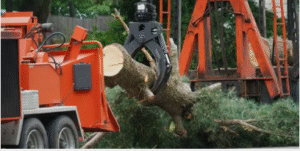
tree removalIn the Adelaide Hills, aging or diseased trees along properties and roads present significant risks. High winds, storms, or bushfires can transform weakened limbs into dangerous projectiles. Tree removal in these contexts is essential to protect lives, homes, and public infrastructure. Urban development also brings trees into closer proximity, amplifying concerns about root intrusion, structural damage, and the risk of falling branches.

Managing Development Pressure

As the Hills continue to see modest growth, new builds, driveways, and infrastructure projects must coexist with native vegetation. Including tree removal in planning applications is increasingly common. Authorities and arborists must assess each tree’s health, location, and contribution to the habitat before approving its removal.

Legal Framework and Permissions

Regulatory Requirements

Tree removal in South Australia is governed by a defined regulatory framework administered by local councils and the Native Vegetation Council. The Adelaide Hills Council, for example, enforces policies to protect native species and canopy cover. A permit is typically required when removing trees that exceed a certain height or belong to specific species classifications.

Arboricultural Assessments

Before tree removal can proceed, certified arborists undertake assessments that include health diagnostics, structural stability inspections, and impact evaluations. These professional appraisals guide council decisions and ensure evidence-based, strategic outcomes.

Sustainable Considerations

Tree Value Beyond Aesthetics

Trees in the Hills contribute far more than visual appeal. They regulate microclimates, sequester carbon, provide shade, support wildlife corridors, prevent erosion on steep terrain, and preserve groundwater retention. During tree removal planning, these values must be quantified to justify or mitigate the environmental cost.

Replacement and Offset

It’s increasingly common—and often mandated—to offset tree removal with replacement plantings. Strategic selection of species suited to local soils and climate ensures long-term canopy sustainability. These plantings may occur onsite or as part of community reforestation programs. Successful offset strategies maintain ecological balance while addressing immediate safety or development needs.

Best Practices for Tree Removal

Hiring Qualified Professionals

Tree removal in sensitive areas, such as the Adelaide Hills, requires specialist expertise. Certified arborists, equipped with industry-standard gear and evidence-based best-practice methodologies, ensure removal is safe, precise, and minimally invasive. Their experience includes identifying trees that can be pruned safely versus those that must be removed entirely.

Equipment and Safety Protocols

Safety gear, rigging techniques, and specialised machinery, such as chippers, cranes, and elevating platforms, are essential for effective tree removal. Specialists employ risk assessments before work commences, establish exclusion zones, and implement emergency response measures. These protocols protect both workers and the surrounding environment.

Waste Management and Recycling

Decades ago, felled trees were often treated as waste. Today, there is a strategic shift toward the responsible utilisation of resources. Wood chips can be used as mulch or biomass fuel, logs can be salvaged for timber or as habitat structures, and green waste can be composted. This approach reflects a circular economy mindset and aligns with environmentally sustainable principles.

Community Engagement and Transparency

Notifying Stakeholders

Residents and wildlife groups often have a stake in tree removal decisions, especially when native or habitat-forming species are involved. Transparency around reasons—such as health, safety, or development—helps foster trust. Notices can include arborist reports and project timelines.

Mitigating Community Concerns

Consultation processes, including public submissions and notifications, are part of responsible tree removal planning. Addressing concerns may involve modifying plans to preserve key canopy corridors, revising schedules to avoid nesting seasons, or committing to enhanced replanting measures.

Conclusion:

Tree removal in the Adelaide Hills is far more than a logistical task—it sits at the crossroads of safety, sustainability, community values, and strategic foresight. When approached with professionalism and confidence, it becomes a transformative opportunity: removing risk and unlocking development potential, while preserving ecological integrity and heritage. Through careful risk assessment, compliance with regulations, community consultation, and responsible offsetting, tree removal can be both a necessary measure and a catalyst for improved landscapes.

Roof Repair Adelaide: Ensuring Your Home’s Safety

Adelaide’s ever-changing weather conditions can be both beautiful and brutal. While sunny days and cool breezes are standard, the city is no stranger to powerful storms that can leave homes vulnerable to significant roof damage. For homeowners and property managers in South Australia, timely and professional storm damage roof repair is essential to maintain structural integrity and protect occupants from further risk.

Understanding the Impact of Storm Damage in Adelaide

storm damage roof repairStorms in Adelaide often bring strong winds, hail, and heavy rainfall. These elements can have a severe effect on roofing materials, especially older or poorly maintained roofs. From missing shingles to water leaks and structural shifts, the aftermath of a storm can pose serious hazards to your property.

Common types of storm damage include:

  • Broken or dislodged tiles
  • Damaged flashing and gutters
  • Punctures from falling tree branches
  • Water infiltration leading to mould or insulation issues

A professional storm damage roof repair service not only addresses these issues but ensures your roof meets safety and performance standards moving forward.

Why Immediate Roof Repair is Crucial After a Storm

Delaying roof repairs after a storm can lead to escalating problems. What begins as a small leak could evolve into widespread water damage, leading to higher repair costs, potential health hazards, and even insurance complications.

Key Reasons to Act Fast:

  • Prevent further internal damage: Moisture intrusion can affect ceilings, walls, electrical wiring, and belongings.
  • Maintain structural integrity: Compromised roofing materials can weaken the entire structure over time.
  • Insurance claims depend on timing: Many insurance providers require quick reporting and evidence of damage. Prompt storm damage roof repair ensures eligibility for compensation.

Choosing the Right Roof Repair Specialists in Adelaide

Not all roofing contractors are equipped to handle storm damage effectively. It’s essential to collaborate with experienced professionals who are familiar with Adelaide’s unique climate conditions and local building codes.

What to Look for in a Storm Damage Roof Repair Expert:

  • Licensed and insured tradespeople
  • Local knowledge and quick response times
  • Comprehensive inspection services
  • Detailed quotes and insurance support
  • Use of high-quality, weather-resistant materials

By hiring a qualified local company, you gain the advantage of rapid service, reliable repairs, and long-term results suited to Adelaide’s unique environment.

The Roof Repair Process: What to Expect

Professional storm damage roof repair in Adelaide typically involves a multi-step process to ensure every issue is identified and resolved.

Inspection and Assessment

A thorough inspection is conducted to assess the extent of the damage. It includes identifying potential issues, such as moisture infiltration or internal structural defects.

Temporary Protection (If Needed)

If the damage is severe, emergency tarping or sealing may be applied to prevent further issues until complete repairs can begin.

Repair Plan and Quotation

After inspection, the contractor provides a detailed report and quote. It includes timelines, materials to be used, and insurance coordination, if applicable.

Full Restoration

From replacing damaged tiles to repairing flashing, gutters, and insulation, all necessary work is performed with minimal disruption to the homeowner.

Final Inspection and Guarantee

Once repairs are complete, a final inspection ensures quality and compliance. Reputable roofers offer warranties for added peace of mind.

Preventative Maintenance: Avoiding Future Storm Damage

While no roof is completely storm-proof, routine maintenance can drastically reduce the risk of extensive damage.

Recommended Practices:

  • Regular inspections (twice a year and after major storms)
  • Gutter cleaning to prevent overflow and water pooling
  • Trimming nearby trees to reduce debris and impact risk
  • Replacing worn-out flashing and roofing materials proactively

Investing in maintenance today helps reduce the frequency and cost of future storm damage roof repairs.

Conclusion:

For Adelaide residents, storm damage can be a stressful experience, but it doesn’t have to be a long-term problem. With timely, expert storm damage roof repair, you can restore the safety, durability, and value of your home. Choosing an experienced local roofing team ensures a responsive, professional approach tailored to the demands of South Australian weather.

Whether you’re dealing with the aftermath of a recent storm or seeking to fortify your roof against future events, don’t wait. Schedule a professional inspection and take proactive steps to safeguard your property today. Reliable storm damage roof repair in Adelaide is more than just a service—it’s a commitment to protecting what matters most.

Business Insurance Broker: The Value of a Trusted Business Insurance Broker

Running a business in Adelaide, South Australia, entails numerous responsibilities, including managing operations, maintaining profitability, ensuring compliance, and, most crucially, protecting your enterprise from unexpected risks. That’s where the expertise of a trusted business insurance broker becomes indispensable. With a complex and evolving insurance landscape, relying on professional advice is more than a convenience—it’s a strategic necessity for long-term stability.

Why Insurance Brokerage Matters for Adelaide Businesses

trusted business insurance brokerAdelaide’s economy is diverse, with thriving industries ranging from advanced manufacturing to professional services, logistics, healthcare, and emerging tech. Each sector has its unique risk profile, and generic insurance packages often fail to adequately address the specific needs of that sector. A trusted business insurance broker serves as a bridge between business owners and insurers, ensuring each policy is well-suited to the unique operational risks faced by the client.

Unlike direct insurance agents who represent specific companies, brokers act independently and advocate solely for the business owner’s best interests. This independence is particularly valuable in tailoring comprehensive policies that can protect against risks such as property damage, liability claims, business interruption, cyber threats, and legal exposures.

Customised Solutions Over One-Size-Fits-All Packages

Many Adelaide businesses, tiny and medium enterprises (SMEs), operate under the assumption that standard business insurance policies provide sufficient coverage. However, this assumption often leads to gaps in protection—something a trusted business insurance broker is trained to identify and address.

A skilled broker begins with a detailed risk assessment, taking into account factors such as the business’s size, industry, location, employee count, and operational practices. From there, they design or recommend tailored insurance portfolios that may include:

  • Public and product liability insurance
  • Commercial property and contents cover
  • Professional indemnity insurance
  • Cyber liability insurance
  • Workers’ compensation
  • Business interruption insurance 

Each coverage type is carefully aligned with actual business exposure, helping avoid over-insuring (and overspending) or under-insuring (and risking substantial losses).

The Adelaide Advantage: Local Insight and Industry Knowledge

A trusted business insurance broker in Adelaide offers more than just technical insurance knowledge—they provide critical local insights that directly impact policy design and claims outcomes. Local brokers are intimately familiar with South Australia’s regulations, economic conditions, and industry-specific trends. This regional expertise allows them to provide advice that is both legally sound and commercially strategic.

For instance, construction companies in the northern suburbs may face vastly different risks than medical practices in the central business district (CBD).

Efficient Claims Management and Ongoing Support

One of the most overlooked benefits of working with a trusted business insurance broker is the support provided during the claims process. When a crisis strikes—whether it’s storm damage to commercial property, a customer injury on-site, or a data breach—a broker serves as a reliable advocate who navigates the often complex and bureaucratic claims process.

They ensure all necessary documentation is submitted correctly and promptly, push back against unfair rejections, and negotiate settlements to maximise claim value. In high-stress situations, having a seasoned professional to handle these proceedings can be a game-changer for business continuity.

Finding a Trusted Business Insurance Broker in Adelaide

With many brokerage firms operating in South Australia, choosing the right partner requires careful consideration. Look for a trusted business insurance broker who is:

  • Licensed and accredited: Ensure they are a member of the National Insurance Brokers Association (NIBA) and hold appropriate ASIC registration.
  • Transparent and communicative: They should provide clear explanations of policy options, premiums, exclusions, and fees.
  • Experienced in your sector: Ask about their portfolio and experience with businesses like yours.
  • Well-reviewed: Testimonials and online reviews provide valuable insights into client satisfaction and the broker’s reputation.

Initial consultations should be collaborative and consultative rather than merely transactional. A good broker will invest time in understanding your goals, not just selling you a product.

Conclusion:

In the fast-paced and increasingly volatile business world, insurance isn’t just about compliance—it’s about protection, resilience, and sustainability. For Adelaide businesses, partnering with a trusted business insurance broker means gaining not just coverage but clarity and confidence. Whether you’re a startup in Mawson Lakes, a growing consultancy in Norwood, or an established manufacturer in Wingfield, having an experienced broker by your side ensures you’re not just covered—you’re future-ready.

Chemical Consultant: Expert Guidance for Safe and Efficient Chemical Management

In today’s fast-paced and highly regulated industrial landscape, the role of a chemical consultant has become crucial for businesses operating in various sectors. Whether it’s ensuring safety, compliance with local regulations, or optimising chemical processes, a skilled chemical consultant plays a crucial role in helping organisations navigate the complexities of chemical management. For a professional chemical consultant, click here.

What is a Chemical Consultant?

chemical consultantA chemical consultant is a professional with specialised knowledge and experience in chemistry, chemical engineering, and related disciplines. They provide expert advice on the safe handling, storage, and use of chemicals in industries such as manufacturing, agriculture, pharmaceuticals, and environmental services.

By providing tailored solutions to specific chemical challenges, chemical consultants help businesses comply with local and international regulations, mitigate risks, and improve operational efficiency.

Key Responsibilities of a Chemical Consultant

A chemical consultant in Australia is responsible for a wide range of tasks that contribute to the safe and effective management of chemicals in the workplace. Some of their primary duties include:

Regulatory Compliance and Safety Management

One of the primary roles of a chemical consultant is to ensure that businesses comply with Australian safety standards and environmental regulations. It includes adhering to the Work Health and Safety (WHS) Act, the Australian Dangerous Goods (ADG) Code, and other industry-specific regulations.

Chemical Risk Assessment and Hazard Evaluation

Chemical consultants conduct thorough risk assessments to evaluate potential hazards associated with chemical processes and substances used in the business. They analyse chemical interactions, toxicity, volatility, and environmental impact, offering recommendations for mitigating risks.

Training and Education

Chemical consultants are also responsible for educating staff about chemical safety, handling procedures, and emergency response actions. It may include providing workshops, safety drills, and ongoing training to ensure that employees understand the risks associated with chemical substances and are equipped with the necessary knowledge to handle them safely and effectively.

Product Development and Process Optimisation

In addition to safety management, chemical consultants assist businesses in optimising chemical processes. Whether it’s improving production efficiency, reducing waste, or enhancing product quality, consultants offer valuable insights into chemical formulations, process design, and material selection.

Environmental Impact Assessment

Australia’s strict environmental regulations require businesses to assess and minimise their environmental impact. Chemical consultants assist companies in assessing the ecological risks associated with chemical waste, emissions, and effluents.

Why Hire a Chemical Consultant in Australia?

Engaging the services of a chemical consultant can provide several key benefits to businesses in Australia. Here’s why it’s a wise investment:

Expertise in Regulatory Compliance

Navigating the complex web of Australian regulations surrounding chemicals can be a challenging task. With a chemical consultant on board, companies can ensure they stay ahead of regulatory changes and avoid costly fines or penalties for non-compliance.

Improved Safety and Risk Management

Safety is paramount when dealing with chemicals, and a chemical consultant is essential in ensuring that businesses minimise the risks associated with chemical exposure. From hazardous material handling to emergency response procedures, a consultant can help design and implement safety protocols and best practices that safeguard both employees and the surrounding environment.

Cost Savings through Process Optimisation

Chemical consultants can identify inefficiencies in a company’s chemical processes and recommend improvements that reduce waste, energy consumption, and operational costs. Whether it’s recommending the use of alternative materials or improving production methods, consultants can help businesses save money while maintaining product quality and safety standards.

Enhanced Reputation and Trust

Companies that demonstrate a commitment to chemical safety, environmental protection, and regulatory compliance build trust with customers, regulatory bodies, and other stakeholders. A chemical consultant helps businesses enhance their reputation by ensuring they meet industry standards and adhere to ethical guidelines, thereby contributing to long-term success.

Sustainable Practices and Environmental Protection

Sustainability is a growing concern for industries worldwide, and Australian businesses are no exception. By working with a chemical consultant, companies can adopt more environmentally friendly practices, reduce their carbon footprint, and ensure that their chemical processes do not harm the environment.

Conclusion:

A chemical consultant is an invaluable resource for businesses in Australia seeking to optimise their chemical processes, ensure regulatory compliance, and maintain a safe working environment. By leveraging their expertise, businesses can minimise risks, improve efficiency, and contribute to environmental sustainability.