
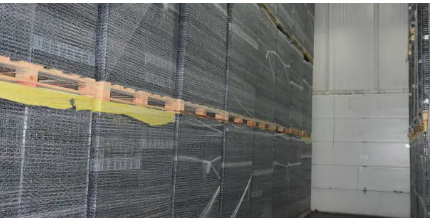
In Australia’s fast-moving cold storage and logistics industry, maintaining product integrity during freezing, storage, and transport is a constant operational challenge. One of the most practical yet often overlooked tools used in modern warehouses is pallet freezer spacers, which help maintain airflow, reduce freeze damage, and improve overall freezer efficiency. In large-scale facilities across Sydney, Melbourne, Brisbane, and regional hubs, these spacers play a critical role in ensuring that goods remain consistently frozen while optimising storage capacity and energy use.
This guide explores how pallet freezer spacers are used in Australian cold chain operations, why they matter for compliance and efficiency, and how businesses can choose the right solution for their specific requirements.
What Are Pallet Freezer Spacers and Why They Matter in Australian Cold Storage
Pallet freezer spacers are structured supports placed between palletised goods in cold rooms or blast freezers. Their main function is to create consistent airflow between stacked products, ensuring cold air circulates evenly around all surfaces.
In Australia’s climate—where ambient temperatures can fluctuate significantly—cold storage systems must work harder to maintain consistent freezing conditions. Without proper spacing, pallets can restrict airflow, leading to uneven freezing, product degradation, or increased energy consumption.
Using pallet freezer spacers helps prevent these issues by creating controlled gaps between loads, allowing refrigeration systems to operate more efficiently while maintaining consistent temperatures across stored goods.
Key Benefits in Australian Warehousing and Logistics
Australian cold chain operators rely on efficiency due to high energy costs and strict food safety standards. Implementing spacer systems delivers several measurable benefits:
1. Improved Airflow Efficiency
Proper spacing ensures that cold air reaches all sides of a pallet. This reduces “hot spots” where products may partially thaw or freeze unevenly.
2. Energy Savings
By improving airflow, refrigeration units need not work as hard or as long. Over time, this can significantly reduce electricity consumption in large freezer warehouses.
3. Product Integrity and Safety
Food producers, pharmaceutical distributors, and exporters benefit from reduced spoilage risk. Consistent freezing is essential for maintaining compliance with Australian food safety regulations.
4. Faster Loading and Unloading
With structured spacing systems in place, warehouse staff can organise pallets more efficiently, reducing congestion in high-volume environments.
5. Reduced Structural Damage
Heavy stacking without spacing can lead to pallet compression and packaging damage. Spacers help distribute weight more evenly.
At scale, pallet freezer spacers are not just operational accessories—they are a critical infrastructure component in cold chain logistics across Australia.
How to Choose the Right Spacers for Freezer Applications in Australia
Selecting the correct spacer system depends on several operational and environmental factors.
Material Selection
Most spacers are made from high-density plastic, aluminium, or treated timber. In Australian freezer environments, plastic is often preferred due to its resistance to moisture, corrosion, and temperature extremes.
Load Capacity
Different facilities handle varying pallet weights. Distribution centres dealing with meat, seafood, or bulk frozen goods require high-load-rated spacers that can withstand heavy stacking without deformation.
Airflow Design
The geometry of the spacer affects performance. Open-grid designs typically provide better airflow compared to solid structures.
Hygiene Requirements
Food-grade facilities must ensure that all equipment meets HACCP-compliant cleaning standards. Smooth-surface spacers are easier to sanitise, reducing contamination risk.
Choosing the right pallet freezer spacers for your operation ensures optimal performance, especially in high-throughput Australian warehouses where downtime and inefficiency directly impact profitability.
Maintenance, Hygiene, and Compliance Standards in Australia
Cold storage operations in Australia are governed by strict food safety and workplace regulations, particularly under standards set by FSANZ (Food Standards Australia New Zealand). Equipment used in freezer environments must support cleanliness, durability, and traceability.
Regular Cleaning and Inspection
Spacers should be cleaned regularly to prevent ice buildup, bacterial growth, and contamination. Facilities typically integrate spacer cleaning into their broader sanitation cycles.
Temperature Resistance
Materials must remain structurally stable at sub-zero temperatures. Poor-quality spacers can crack or warp, creating safety hazards and reducing airflow efficiency.
Workplace Safety
Proper stacking systems reduce manual handling risks for warehouse workers. Consistent spacing improves visibility and accessibility, lowering the chance of workplace injuries.
Compliance Auditing
During audits, inspectors often assess storage systems to ensure that cold chain integrity is maintained. The correct use of pallet freezer spacers can help demonstrate compliance and operational best practices.
Final Thoughts
As Australia’s cold storage and logistics sectors continue to grow, efficiency and compliance are becoming more important than ever. Businesses that invest in proper airflow management tools gain a clear advantage in operational reliability, energy savings, and product quality.
While they may appear simple, pallet freezer spacers play a foundational role in ensuring that frozen goods remain safe, consistent, and compliant from warehouse to delivery. For Australian operators managing high-volume cold storage environments, these systems are not optional—they are essential infrastructure for modern cold chain success.