
Tree removal is a sensitive and often controversial topic, particularly in the environmentally rich Adelaide Hills region of South Australia. As development pressures increase and safety concerns, such as falling limbs and fire hazards, grow more urgent, property owners and councils face complex decisions. Balancing the need for tree removal with the imperative to preserve biodiversity, maintain ecosystem services, and respect community values requires a strategic, professional, and confident approach.
Understanding the Need: Safety and Development
Safety Risks
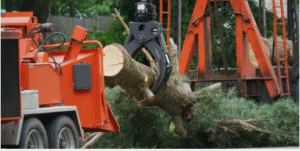 In the Adelaide Hills, aging or diseased trees along properties and roads present significant risks. High winds, storms, or bushfires can transform weakened limbs into dangerous projectiles. Tree removal in these contexts is essential to protect lives, homes, and public infrastructure. Urban development also brings trees into closer proximity, amplifying concerns about root intrusion, structural damage, and the risk of falling branches.
Managing Development Pressure
As the Hills continue to see modest growth, new builds, driveways, and infrastructure projects must coexist with native vegetation. Including tree removal in planning applications is increasingly common. Authorities and arborists must assess each tree’s health, location, and contribution to the habitat before approving its removal.
Legal Framework and Permissions
Regulatory Requirements
Tree removal in South Australia is governed by a defined regulatory framework administered by local councils and the Native Vegetation Council. The Adelaide Hills Council, for example, enforces policies to protect native species and canopy cover. A permit is typically required when removing trees that exceed a certain height or belong to specific species classifications.
Arboricultural Assessments
Before tree removal can proceed, certified arborists undertake assessments that include health diagnostics, structural stability inspections, and impact evaluations. These professional appraisals guide council decisions and ensure evidence-based, strategic outcomes.
Sustainable Considerations
Tree Value Beyond Aesthetics
Trees in the Hills contribute far more than visual appeal. They regulate microclimates, sequester carbon, provide shade, support wildlife corridors, prevent erosion on steep terrain, and preserve groundwater retention. During tree removal planning, these values must be quantified to justify or mitigate the environmental cost.
Replacement and Offset
It’s increasingly common—and often mandated—to offset tree removal with replacement plantings. Strategic selection of species suited to local soils and climate ensures long-term canopy sustainability. These plantings may occur onsite or as part of community reforestation programs. Successful offset strategies maintain ecological balance while addressing immediate safety or development needs.
Best Practices for Tree Removal
Hiring Qualified Professionals
Tree removal in sensitive areas, such as the Adelaide Hills, requires specialist expertise. Certified arborists, equipped with industry-standard gear and evidence-based best-practice methodologies, ensure removal is safe, precise, and minimally invasive. Their experience includes identifying trees that can be pruned safely versus those that must be removed entirely.
Equipment and Safety Protocols
Safety gear, rigging techniques, and specialised machinery, such as chippers, cranes, and elevating platforms, are essential for effective tree removal. Specialists employ risk assessments before work commences, establish exclusion zones, and implement emergency response measures. These protocols protect both workers and the surrounding environment.
Waste Management and Recycling
Decades ago, felled trees were often treated as waste. Today, there is a strategic shift toward the responsible utilisation of resources. Wood chips can be used as mulch or biomass fuel, logs can be salvaged for timber or as habitat structures, and green waste can be composted. This approach reflects a circular economy mindset and aligns with environmentally sustainable principles.
Community Engagement and Transparency
Notifying Stakeholders
Residents and wildlife groups often have a stake in tree removal decisions, especially when native or habitat-forming species are involved. Transparency around reasons—such as health, safety, or development—helps foster trust. Notices can include arborist reports and project timelines.
Mitigating Community Concerns
Consultation processes, including public submissions and notifications, are part of responsible tree removal planning. Addressing concerns may involve modifying plans to preserve key canopy corridors, revising schedules to avoid nesting seasons, or committing to enhanced replanting measures.
Conclusion:
Tree removal in the Adelaide Hills is far more than a logistical task—it sits at the crossroads of safety, sustainability, community values, and strategic foresight. When approached with professionalism and confidence, it becomes a transformative opportunity: removing risk and unlocking development potential, while preserving ecological integrity and heritage. Through careful risk assessment, compliance with regulations, community consultation, and responsible offsetting, tree removal can be both a necessary measure and a catalyst for improved landscapes.