
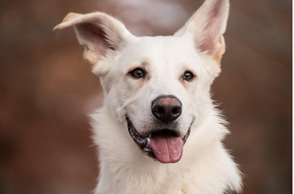
Aging does not have to mean giving up outdoor adventures with your dog. Across Portland, from the shaded paths of Forest Park to the gentle trails of Tryon Creek State Natural Area, senior dogs can still enjoy nature with the right precautions. However, arthritis can make uneven ground, steep climbs, and long walks uncomfortable. Finding the best treatment for arthritis in dogs starts with understanding your pet’s mobility, managing joint pain, and adjusting activities to suit their needs.
With veterinary guidance, appropriate conditioning, and thoughtful trail choices, you can help your older companion stay active while protecting their long-term joint health.
Choose Trails That Protect Aging Joints
Portland’s forest trails offer beautiful scenery, but roots, slippery leaves, mud, and elevation changes can challenge dogs with arthritis. Choose shorter, relatively flat routes with stable footing rather than steep or rocky sections.
For safer outings, consider these Portland dog hiking safety tips:
● Start with short walks: Let your dog’s comfort determine the distance, not your usual hiking pace.
● Check trail conditions: Wet Pacific Northwest weather can make slopes and exposed roots slippery.
● Take regular breaks: Watch for lagging, limping, excessive panting, or reluctance to continue.
● Carry water: Offer frequent drinks and avoid pushing your dog through fatigue.
● Plan an easy exit: Choose routes where you can return to the trailhead quickly if discomfort develops.
Forest Park and Tryon Creek can be good options if you choose manageable sections and check current trail conditions.
Warm Up Before Hiking and Care for Joints Afterwards
Prepare muscles before the walk.
A brief, gentle leash walk on level ground helps warm your dog’s muscles before tackling a trail. Give your dog time to move naturally, without forcing stretches or movements that cause discomfort.
Avoid sudden bursts of activity, jumping into vehicles, or immediately tackling steep inclines. Regular, moderate exercise is generally more appropriate for arthritic dogs than occasional strenuous hikes.
Support recovery after the trail
After returning home, give your dog time to rest on supportive bedding. Check their paws for debris and look for new swelling, tenderness, or limping. If your dog seems stiff, a comfortably warm resting area may help, as long as you don’t apply heat directly to painful joints.
Watch your dog’s movement later that day and the following morning. Increased stiffness can indicate that the hike was too demanding. Reduce the duration or difficulty of the next outing, and contact your veterinarian if symptoms persist or worsen.
The Best Treatment for Arthritis in Dogs: A Veterinary Plan
There is no single physical rehabilitation treatment that works best for every dog. The right approach depends on arthritis severity, other health conditions, body weight, and activity level.
A veterinarian may recommend a combination of treatments:
● Prescription pain relief: Veterinary-approved anti-inflammatory medications can reduce pain and improve mobility. Regular monitoring may be necessary because these medicines can affect the kidneys, liver, or digestive system.
● Injectable treatments: Librela (bedinvetmab) targets a protein involved in pain signalling in dogs with osteoarthritis. Adequan Canine (polysulfated glycosaminoglycan) is another veterinary-administered option intended to support joint function. They work differently and are not appropriate for every patient, so discuss potential benefits, risks, and monitoring with your veterinarian.
● Rehabilitation: Controlled strengthening exercises, veterinary physiotherapy, and hydrotherapy can help maintain muscle support around affected joints.
● Weight management: Maintaining a healthy body condition reduces unnecessary stress on weight-bearing joints.
For owners seeking the best joint treatments for active senior dogs in Portland, a veterinary assessment is the best place to start. Ask whether a tailored pain-management and conditioning plan could help your dog continue hiking safely.
Do Joint Supplements Help Outdoor Dogs?
Joint supplements for outdoor dogs may complement a broader arthritis management plan, but results vary, and supplements cannot replace effective pain control.
Common options include:
● Glucosamine: Often included in joint-support formulas, although evidence of meaningful benefit in dogs is limited.
● Omega-3 fatty acids: EPA and DHA from fish oil have better evidence for helping manage osteoarthritis symptoms.
● Collagen: Some formulations may support joint comfort, but evidence varies by product and ingredients.
Discuss product quality, dosing, and possible interactions with your veterinarian before starting supplements.
Keep Your Senior Dog on the Trail
Managing dog arthritis trail mobility requires flexibility, observation, and consistent care. The best treatment for arthritis in dogs combines veterinary pain management, appropriate exercise, and realistic hiking goals.
Schedule a mobility assessment with your Portland veterinarian before your next adventure. Together, you can develop a plan that protects your dog’s comfort while keeping those forest walks enjoyable for years to come.
—
Frequently Asked Questions
1. Can dogs with arthritis still go hiking?
Yes, many dogs with arthritis can enjoy modified hikes. Choose short, manageable routes, monitor their gait, and follow your veterinarian’s exercise recommendations.
2. What is the best treatment for arthritis in dogs that enjoy hiking?
Treatment depends on the dog’s condition. An effective plan often includes veterinary pain relief, weight management, controlled exercise, and rehabilitation.
3. Is Librela better than Adequan for arthritic dogs?
Neither is universally better. Librela targets pain signalling, while Adequan is intended to support joint function. A veterinarian can assess which option, if either, suits your dog.
4. Which supplements help dogs with arthritis?
Omega-3 fatty acids containing EPA and DHA have evidence supporting their use for canine osteoarthritis. Glucosamine and collagen products have more variable evidence supporting them. Ask your veterinarian about suitable formulations and doses.
5. How can I tell if a hike was too strenuous for my senior dog?
Limping, increased stiffness, lagging, reluctance to climb, or difficulty rising afterwards may indicate overexertion. Shorten future walks and seek veterinary advice if symptoms persist, worsen, or cause significant pain.